Table of Contents
🎱 Understanding the Basics of 8 Ball Pool Games
8 Ball Pool Games are more than just a pastime in India — they are a cultural phenomenon. From local addas to high-stakes online tournaments, the 8-ball table brings people together. But before you sink that winning shot, you need to internalise the fundamentals.
The History & Evolution of 8 Ball Pool
Originating in the early 20th century as a variant of Billiards Games, 8 Ball Pool evolved from the English game of Blackball and gained massive popularity in the United States before sweeping across the globe. In India, the game found a natural home in clubs, hostels, and now — smartphones. With the rise of Pool Online platforms, millions of Indians now compete daily, making the country one of the fastest-growing markets for 8 Ball Pool Games.
Equipment & Table Setup
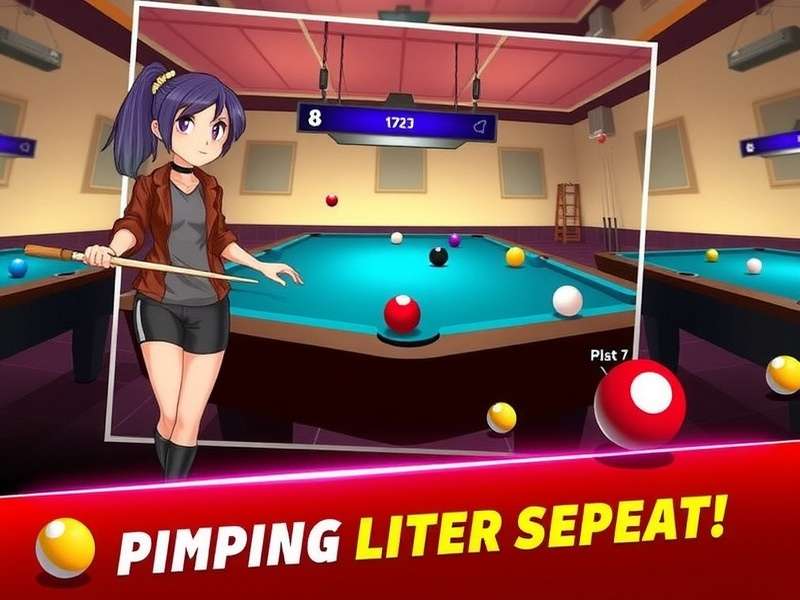
A standard 8 Ball Pool table measures 7 feet or 8 feet, covered in green baize with six pockets. The balls — 15 object balls plus the cue ball — are racked in a triangle with the 8-ball at the centre. Indian players often prefer a Free 8 Ball Pool digital version for practice, but the physics of the felt remains the same: spin, angle, and control are everything.
Key Terminology Every Indian Player Should Know
- Break Shot – The opening shot that scatters the racked balls.
- Cue Ball – The white ball you strike with the cue.
- Pocket – One of the six holes on the table.
- Foul – Any illegal shot; gives the opponent an advantage.
- Bank Shot – Bouncing the ball off the cushion.
- English – Side spin applied to the cue ball.
Mastering these terms is your first step toward fluency in 8 Ball Pool Games. Whether you play Pool 8 Ball with friends or compete in ranked online matches, the language of the game unites players across every city.
🧠 Advanced Strategies to Dominate 8 Ball Pool Games
Winning consistently at 8 Ball Pool Games demands more than luck — it requires a deep strategic mind. Here are battle-tested tactics used by India’s top-ranked digital players.
2.1 The Perfect Break: More Than Just Power
Your break shot sets the tone. Instead of smashing blindly, aim slightly off-centre from the front ball. This creates a wider spread and increases the chance of pocketing a ball on the break — a critical advantage. For a deeper dive, read our guide on 8 Ball Pool Rules On Break.
2.2 Defensive Play: The Art of the Safe
When you don’t have a clear shot, play safe. Leave the cue ball behind a cluster or against a cushion. In Indian adda games, defensive play is often underrated — but it’s how champions control the table. Think two or three shots ahead, not just the next pocket.
2.3 Offensive Patterns: Run the Table
Once you have an open table, plan your pattern. Always keep the 8-ball for last, and avoid leaving it tied up. Work in order — solids or stripes — and use gentle pace to hold position. The best 8 Ball Pool Gameplay videos from Indian pros show how patience and precision beat reckless power every time.
Control the cue ball, and you control the game.
2.4 Psychological Warfare at the Table
In 8 Ball Pool Games, mind games matter. Maintain a steady pace, never rush, and observe your opponent’s body language. A confident stance can rattle even experienced players. Use the clock — take your time on crucial shots, but don’t dawdle.
📜 Official 8 Ball Pool Rules & Indian Variations
Every serious player must know the Official 8 Ball Pool Rules. While the core rules are standardised, Indian players often adopt local variations that add flavour to the game.
3.1 Standard Rules Overview
- Player 1 breaks the rack. If a ball is pocketed, they choose solids or stripes.
- All shots must call the pocket (or clearly indicate intent).
- If the cue ball is pocketed, it’s a foul — opponent gets ball-in-hand.
- After all group balls are cleared, the 8-ball must be pocketed in a called pocket.
- Pocketing the 8-ball before clearing your group = loss.
3.2 Indian House Rules
In many Indian clubs, players follow Straight 8 Ball Pool Rules — a simpler variant where you can shoot at any ball regardless of group, but the 8-ball must still be last. This speeds up the game and rewards aggressive shot-making. Always confirm the rules before starting a match!
3.3 Common Fouls & How to Avoid Them
Fouls are the fastest way to lose control. The most common include: scratching (pocketing the cue ball), hitting the opponent’s ball first, and no ball contacting a cushion after the break. Study the rulebook carefully — it’s the difference between a beginner and a champion.
🏆 How To Win More 8 Ball Pool Games
Want to climb the ranks? Our comprehensive guide on How To Win More 8 Ball Pool Games breaks down every aspect. Here’s a preview of the most impactful strategies.
4.1 Practice Routines That Build Muscle Memory
Top Indian players dedicate at least 30 minutes daily to drills: straight shots, cut shots, and position play. Use Free 8 Ball Pool apps for unlimited practice. Repeat the same shot 50 times until it becomes automatic.
4.2 The Mental Game: Stay Cool Under Pressure
Tournaments and ranked matches create pressure. Breathe deeply, visualise the shot, and trust your stroke. Many Indian pros use meditation and visualisation techniques before big matches. Remember: 8 Ball Pool Games are as much a mental sport as a physical one.
4.3 Shot Selection: When to Go for Glory
Not every angle is worth the risk. Analyse the table: if the safe play gives you a 90% chance of winning later, take it. Reckless heroics lose games. Study patterns from 8 Ball Pool Gameplay footage of Indian champions to see how they choose their moments.
🌐 8 Ball Pool Games Online vs Offline: Choose Your Arena
India’s love for 8 Ball Pool Games spans both physical tables and digital screens. Each format has unique advantages.
5.1 Online Platforms & Communities
Playing Pool Online offers convenience, ranked matchmaking, and global competition. Indian players flock to apps that feature real-time multiplayer, chat, and tournaments. The digital ecosystem also supports Mini Games that sharpen specific skills.
5.2 Offline: The Traditional Club Experience
Nothing beats the feel of a real cue and the sound of balls colliding. Local clubs in Mumbai, Delhi, Bengaluru and beyond host weekly tournaments. For those without access, 8 Ball Pool Games Offline modes in mobile apps let you practice without internet — perfect for honing your craft anywhere.
5.3 Hybrid Practice: Best of Both Worlds
Combine online and offline practice. Use digital tools to analyse angles and spin, then apply that knowledge on a real table. The top Indian players all cross-train across formats.
🎤 Player Interviews & Exclusive Insights
We spoke with three of India’s most promising 8 Ball Pool Games players to uncover their secrets.
6.1 Interview: Arjun Mehta — Mumbai’s Online Phenom
Arjun, 24, has won over 10,000 ranked matches online. His advice: The biggest mistake Indian players make is neglecting defence. Every shot should have a purpose — either pocket or safe.
He recommends studying Pool 8 Ball drills for 20 minutes daily.
6.2 Interview: Priya Sharma — Delhi’s Club Champion
Priya has dominated Delhi’s club circuit for three years. Women’s participation in 8 Ball Pool Games is growing fast,
she says. We need more tournaments and visibility.
Her favourite resource? The Official 8 Ball Pool Rules guide that clarified many misconceptions.
6.3 Interview: Vikram Singh — Bengaluru’s Coach & Strategist
Vikram trains players aged 12 to 40. He emphasises fundamentals: Without a solid stance and grip, you’ll never be consistent. I tell my students to treat every practice shot as if it’s the match point.
He also recommends using Pool Online Game platforms to test strategies against diverse opponents.
❓ Frequently Asked Questions About 8 Ball Pool Games
What is the difference between 8 Ball Pool and Blackball?
8 Ball Pool uses 15 balls (1–7 solids, 9–15 stripes, plus the 8-ball). Blackball, popular in the UK and parts of India, uses 7 reds, 7 yellows, and a black ball. The rules differ slightly, especially around fouls and re-racks.
How can I improve my accuracy in 8 Ball Pool Games?
Focus on your stance: keep your head steady, eyes on the contact point, and follow through smoothly. Use Free 8 Ball Pool apps to practice straight shots repeatedly. Track your progress over weeks, not days.
Are there any age restrictions for playing competitive 8 Ball Pool in India?
Most tournaments have age categories. Junior events start from 10 years old. There is no upper age limit — billiards is a lifelong sport. Check local club rules for specifics.
What equipment do I need to start playing 8 Ball Pool at home?
A quality cue (weight 18–21 oz), a set of Aramith balls, and a table (7-foot is ideal for home). For practice on a budget, use 8 Ball Pool Games Offline mobile versions.
How do I deal with a player who keeps playing defensively?
Patience is key. Look for small openings, use gentle shots to nudge clusters, and force them into a mistake. Study Straight 8 Ball Pool Rules — they discourage excessive defensive play.
🏁 Final Break: Play Like a Legend
8 Ball Pool Games are a universe of skill, strategy, and passion. Whether you’re a beginner picking up a cue for the first time or a seasoned competitor aiming for the national title, the journey is endless and rewarding. India’s 8 Ball Pool community is growing every day — be part of it.
Keep practising, stay humble, and always respect the table. And remember: every champion was once a beginner who refused to give up. Shubh khel! 🎱🔥
Share Your Experience